
In the ever-evolving world of interior design, staying updated with the latest materials is essential. These materials shape spaces, set moods, and reflect modern aesthetics. Let’s explore eight trendy building materials making waves in interior design today.
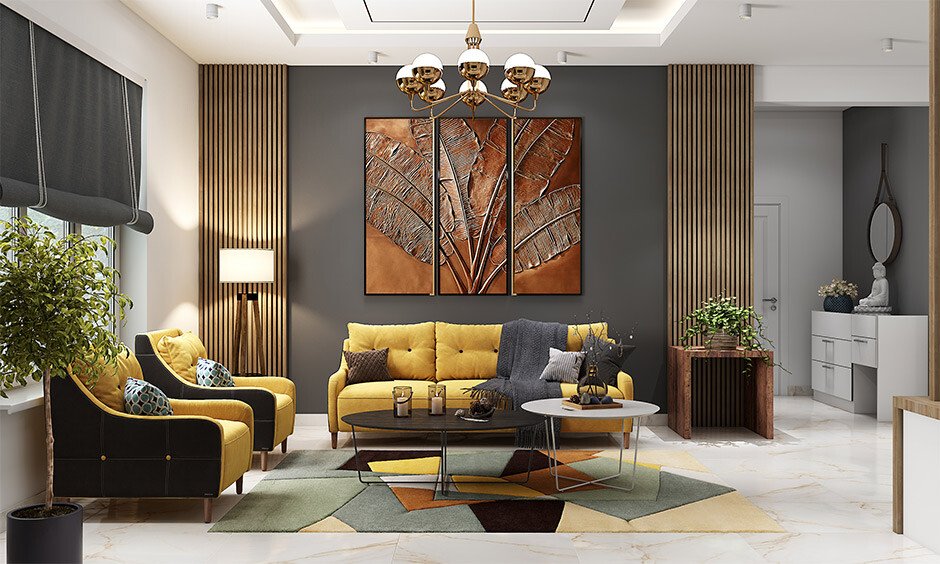
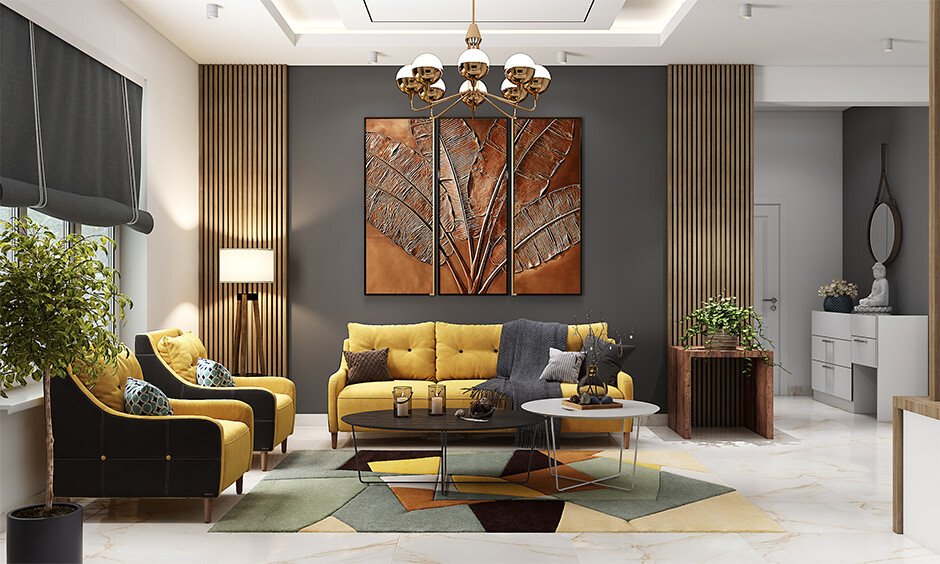
Building materials for interior design are crucial in shaping the aesthetic and functionality of spaces. Modern trends highlight a variety of materials that blend style, sustainability, and practicality. Terrazzo, with its colourful, speckled appearance, is favoured for its versatility and durability. Cork, a renewable resource, adds warmth and sound absorption. Concrete offers a minimalist, industrial look, while reclaimed wood brings unique character and eco-friendliness. Metal mesh introduces an edgy, contemporary feel, and biophilic materials like wood and stone enhance well-being by connecting interiors with nature. Glass, in its many forms, and sustainable textiles contributes to stylish, light-filled, and environmentally conscious designs.
1. Terrazzo
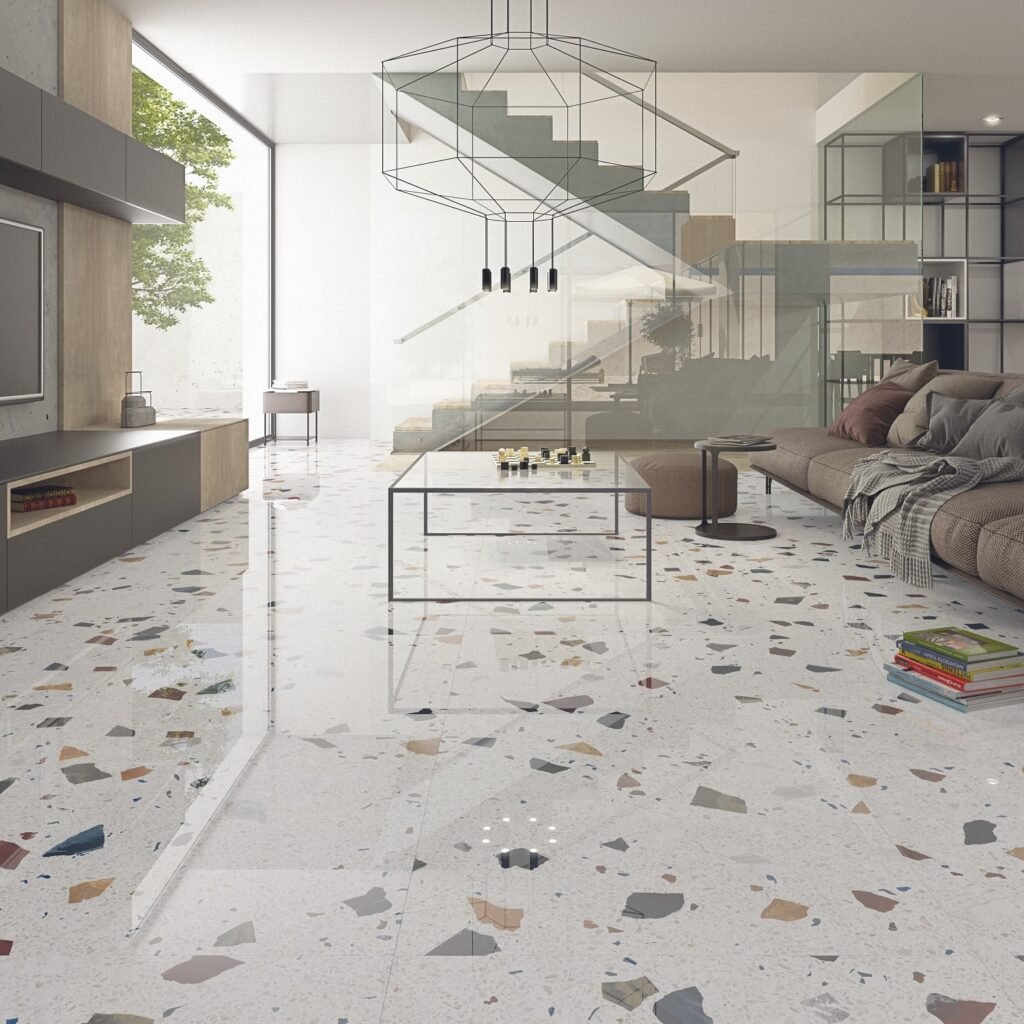
Terrazzo is back, and it’s bolder than ever. This composite material mixes marble, quartz, granite, and glass. It’s set in cement or epoxy resin, creating a speckled, colourful surface. Terrazzo works well for floors, countertops, and walls. Its versatility and durability make it a top choice. Moreover, its ability to add a playful touch appeals to many.
Epoxy terrazzo –
This is the most versatile and most commonly used type of terrazzo in the market today. It’s the strongest and the least susceptible to scratching, fading, staining, or cracking. Epoxy terrazzo is available in any color and is the best option for making intricate designs.
2. Cork
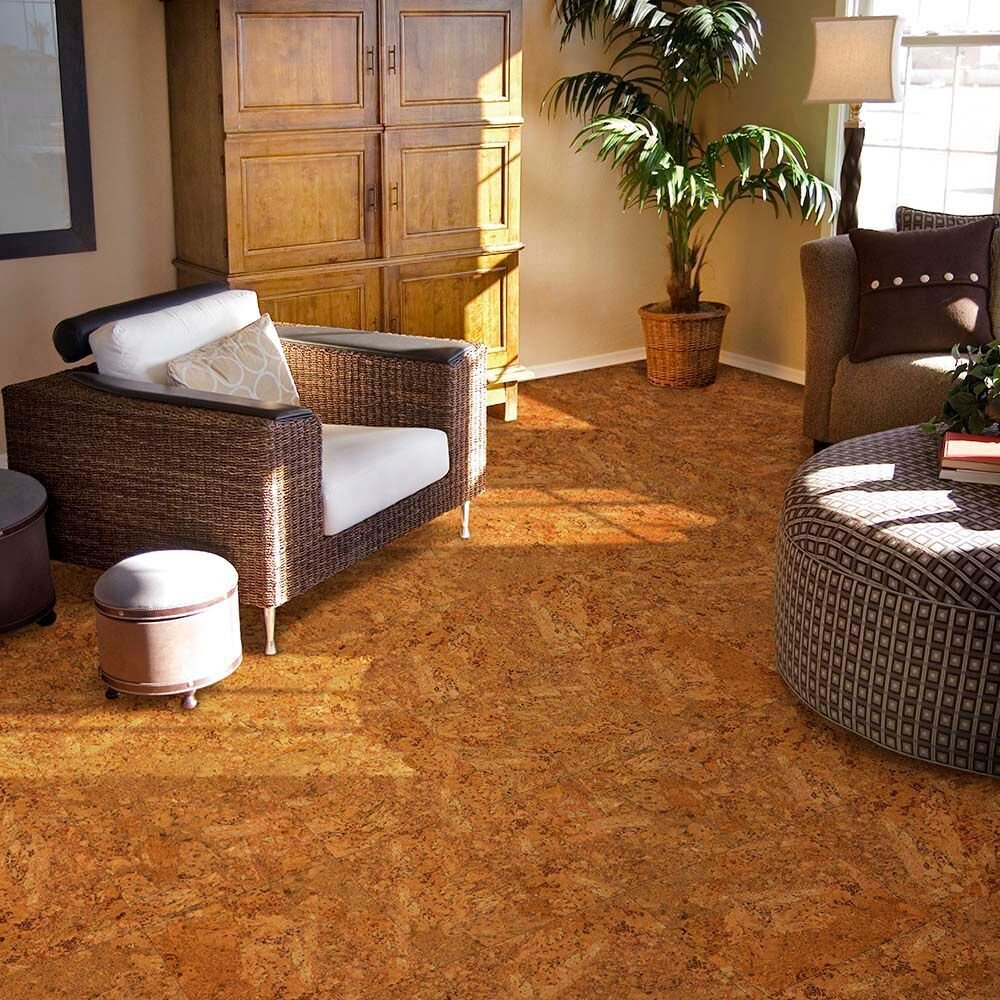
Cork is not just for wine bottles anymore. This sustainable material is gaining popularity in interior design. Cork is harvested from the bark of cork oak trees. It’s renewable, biodegradable, and sound-absorbing. These properties make it ideal for flooring and wall coverings. Cork also has a warm, natural look, adding coziness to any space. Its hypoallergenic qualities are a bonus.
3. Concrete
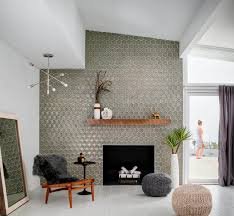
Concrete has moved from industrial spaces to stylish homes. It’s now a favourite for modern, minimalist interiors. This material is incredibly versatile. It can be polished, stained, or textured to suit different aesthetics. Concrete is used for floors, countertops, and even furniture. Its raw, unfinished look adds an edgy, urban vibe. Despite its tough appearance, concrete can feel surprisingly warm and inviting.
Polished concrete
Polished concrete has been popular for years for both residential and commercial floors because of its beautiful sheen, ease of maintenance, and durability.
4. Reclaimed Wood
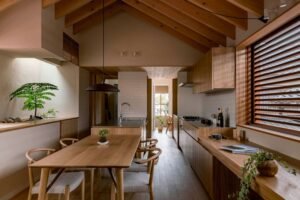
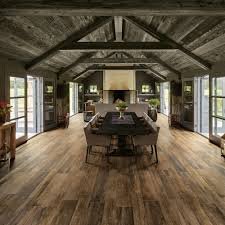
Reclaimed wood brings history and character to interiors. This material is sourced from old buildings, barns, and factories. It’s an eco-friendly option, reducing the demand for new timber. Reclaimed wood is unique, with its own story and patina. It adds warmth and texture to spaces. Use it for flooring, furniture, or accent walls. Each piece has a distinct charm, making your space one-of-a-kind.
Oakwood
Oakwood is commonly used in different types of interior design themes. It’s hardy and resilient and available in various shades of red and white. This versatile wood can be used in making furniture as well as in flooring installations. Oakwood has a unique grain pattern that makes it a great choice for interior décor.
Cedar wood
Cedar is a superb wood with a classic appearance. It lends itself very well in the making of furniture and is also widely used as wall cladding. This hardwood has a dark color tone which means it fits in well with traditional and classic style interiors. But we also use this wood expertly in modern and contemporary-style interiors. Cedar wood also has a natural sweet aroma that lends an outdoorsy feel to the spaces it is installed in.
5. Metal Mesh
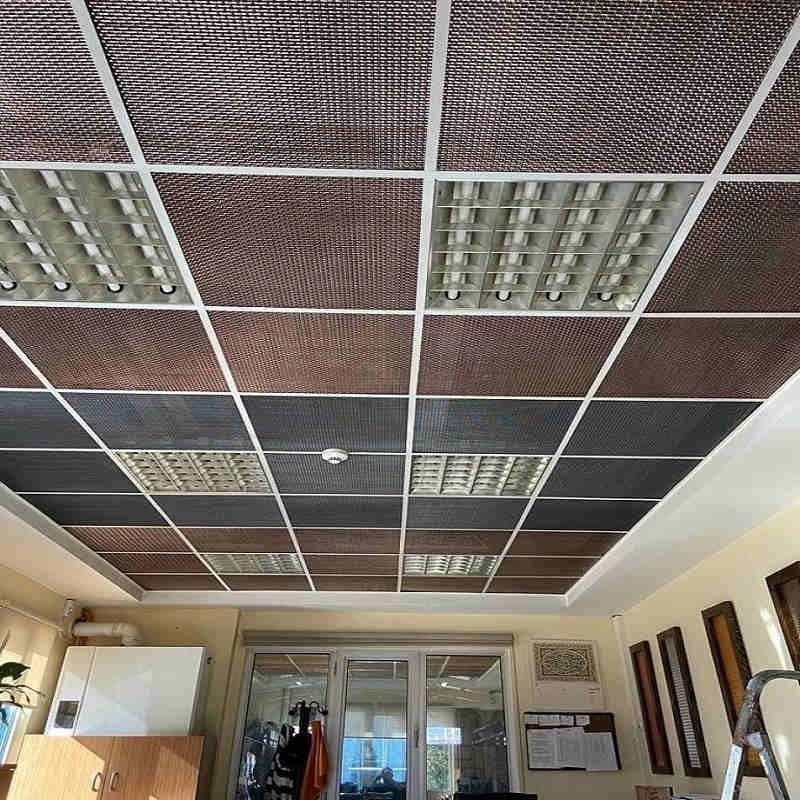
Metal mesh is a bold choice for contemporary interiors. It’s often used in industrial-style designs. This material can be stainless steel, aluminium, or brass. Metal mesh adds a touch of sophistication and edginess. It’s used for room dividers, cabinet doors, and decorative panels. Its semi-transparency plays with light, creating dynamic visuals. Metal mesh is also durable and easy to maintain.
Silver metals
The sleek, chic, silver metallic tone provides a simple way to create a sophisticated interior. Unlike gold, silver is undeniably contemporary.
6. Biophilic Materials
Biophilic design connects us with nature. This trend uses natural materials to create calming environments. Wood, stone, and plants are common in biophilic interiors. These materials enhance well-being and productivity. They bring a sense of tranquillity and balance. Incorporate them through wooden furniture, stone walls, or indoor gardens. Biophilic materials make spaces feel alive and refreshing.
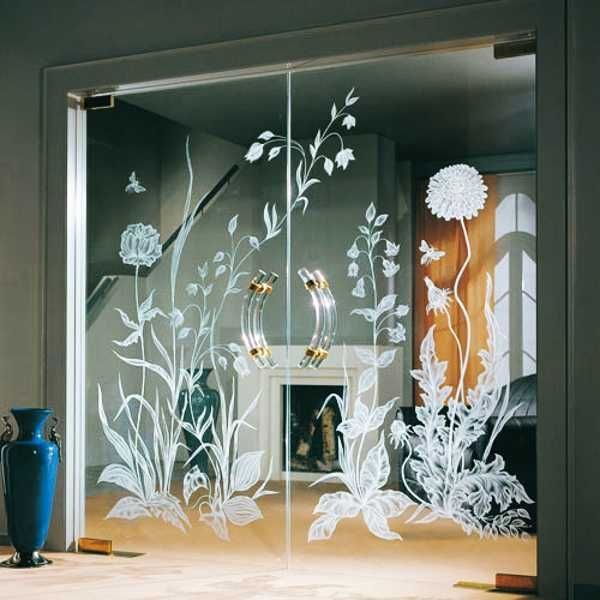
7. Glass
Glass is a timeless material with modern twists. It’s no longer just for windows and doors. Designers use glass for walls, floors, and even furniture. Frosted, coloured, and textured glass adds variety. This material enhances natural light, making spaces feel larger. Glass creates a sleek, elegant look. It blends seamlessly with other materials, adding a touch of sophistication.
Clear Glass
Clear glass is a popular choice for interior glass as it provides transparency, allowing natural light to pass through. Printed glass: Digital printed glass is a modern and innovative way to add unique designs and images to glass surfaces.
8. Sustainable Textiles
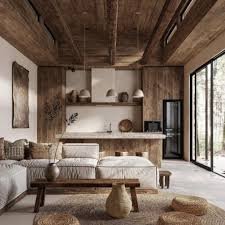
Sustainability is a growing concern in interior design. Sustainable textiles are becoming a popular choice. These include organic cotton, bamboo, and recycled fabrics. Sustainable textiles are eco-friendly and stylish. They offer various textures and colors, fitting different aesthetics. Use them for upholstery, curtains, and cushions. These materials contribute to a healthier planet and a cozy home.
Integrating Trendy Materials
Integrating these trendy materials requires careful planning. Here are some tips to help you incorporate them effectively:
Start Small: Begin with accents like cushions or wall art. This lets you experiment without a major commitment.
Mix and Match: Combine different materials to create a balanced look. For example, pair reclaimed wood with metal mesh for contrast.
Focus on Functionality: Choose materials that suit your lifestyle. Cork flooring is great for sound absorption in busy households.
Consider Maintenance: Some materials require more upkeep than others. Glass surfaces need regular cleaning, while concrete is low maintenance.
Seek Inspiration: Look at design magazines, blogs, and social media for ideas. Seeing how others use these materials can spark creativity.
Consult a Professional: If unsure, hire an interior designer. They can help you make the best choices for your space.
as Paradigm Outsourcing.
The world of interior design is rich with innovative materials. Terrazzo, cork, concrete, reclaimed wood, metal mesh, biophilic materials, glass, and sustainable textiles are leading trends. Each material offers unique benefits and aesthetic appeal. By thoughtfully incorporating these materials, you can create stylish, modern, and functional spaces. Embrace these trends and transform your home into a contemporary haven.