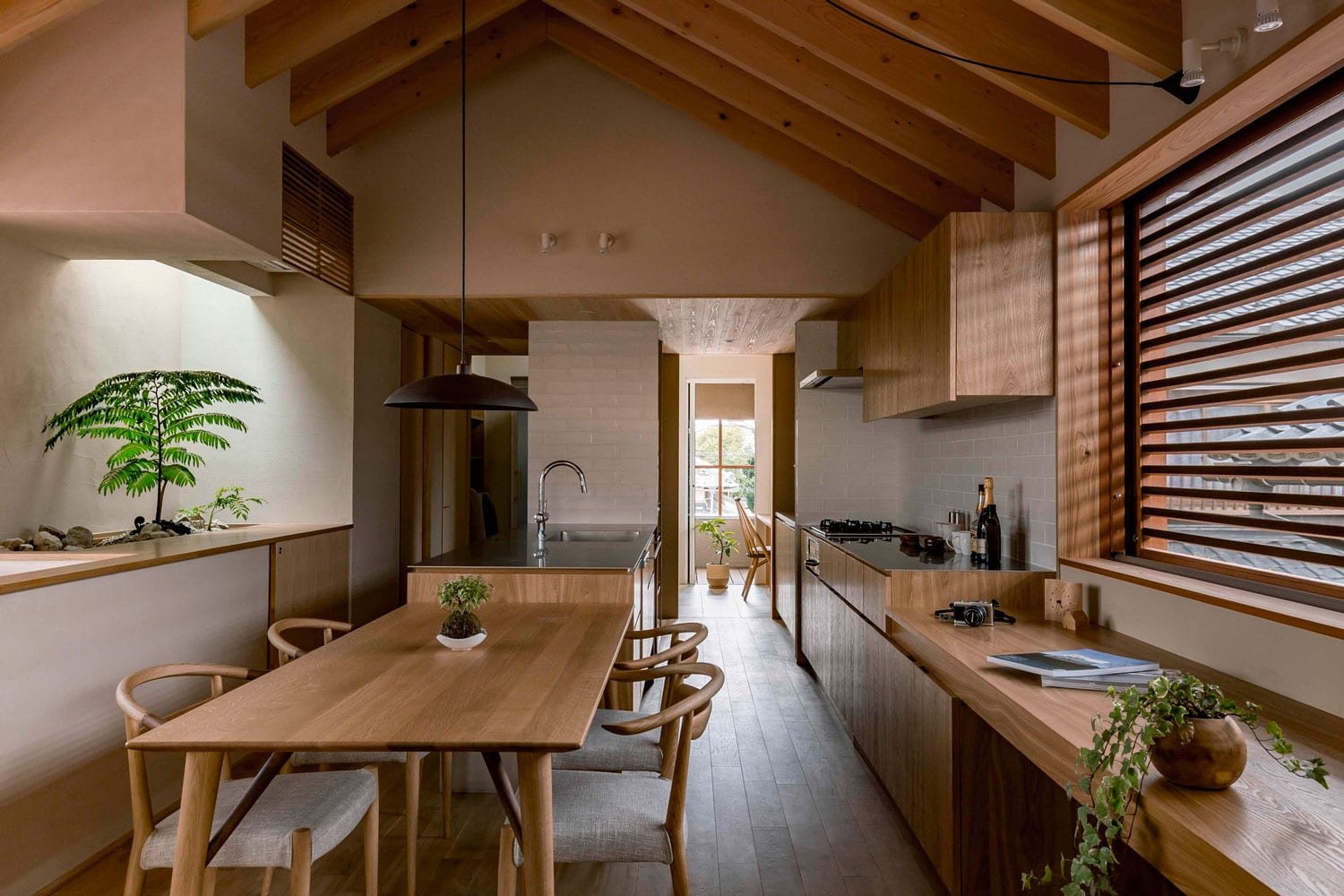

Minimalist architecture, often encapsulated by the mantra “less is more,” has become a significant and influential movement in the design world. This approach emphasizes simplicity, functionality, and the use of space, light, and materials in the most efficient and impactful way. Minimalism strips down structures to their essential elements, creating spaces that are clean, uncluttered, and serene. This blog delves into the principles, benefits, historical roots, and modern applications of minimalist architecture.
Principles of Minimalist Architecture
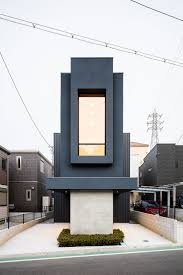
- Simplicity: Minimalist architecture is characterized by a lack of ornamentation and decoration. Forms are simplified, and structures are often geometric and straightforward. The focus is on clean lines and uncluttered spaces.
- Functionality: Every element in a minimalist design serves a purpose. There is a strong emphasis on the functionality of spaces and objects. Unnecessary features are eliminated, ensuring that each aspect of the design contributes to the overall utility.
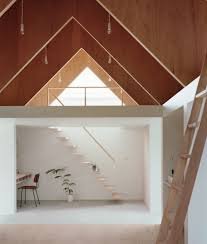
- Use of Space: Efficient use of space is a hallmark of minimalist architecture. Open floor plans are common, creating a sense of flow and allowing natural light to permeate the interior. This openness enhances the feeling of spaciousness and freedom.
- Materials and Textures: Minimalist designs often incorporate a limited palette of materials, such as concrete, glass, steel, and wood. The textures and natural qualities of these materials are highlighted, adding depth and interest to the space without overwhelming it.
Neutral Colors: A neutral color palette is typically used in minimalist architecture. Whites, greys, and earth tones dominate, creating a calm and serene environment. Accents of color, if present, are used sparingly and intentionally.
Benefits of Minimalist Architecture
- Clarity and Focus: By removing excess, minimalist architecture allows for greater clarity and focus. Spaces are designed to enhance the function and flow, making them more intuitive and user-friendly.
- Calm and Serenity: The simplicity and openness of minimalist spaces can promote a sense of calm and relaxation. Without the visual noise of clutter and unnecessary decoration, these environments can help reduce stress and create a peaceful atmosphere.
- Sustainability: Minimalist architecture often involves using fewer materials and resources, which can be more sustainable. The focus on quality over quantity means that structures are built to last, reducing the need for frequent renovations or replacements.
- Versatility: Minimalist spaces are highly versatile and adaptable. The simplicity of the design allows for easy reconfiguration or repurposing of spaces to suit changing needs or tastes.
Enhanced Aesthetics: The beauty of minimalist architecture lies in its purity and refinement. The careful attention to proportion, light, and material creates spaces that are aesthetically pleasing and timeless.
Historical Roots of Minimalist Architecture
Origins. Minimalism architecture can be traced back to a few key architectural styles: Japanese Zen, Cubist designs, De Stijl, and Bauhaus designs in the 1920s. Minimalist architecture has its roots in several historical movements and philosophies. The most significant influences include:
- Bauhaus Movement: Originating in Germany in the early 20th century, the Bauhaus movement emphasized functionality, simplicity, and the integration of art, craft, and technology. It laid the groundwork for modern minimalist design principles.
- De Stijl Movement: This Dutch movement, also from the early 20th century, focused on abstract, geometric forms and primary colors. It advocated for a reduction to essentials, which aligns with minimalist principles.
Japanese Zen Philosophy: Traditional Japanese architecture and design have long embraced simplicity, natural materials, and harmony with nature. Zen philosophy, with its focus on mindfulness and minimalism, has profoundly influenced modern minimalist architecture.
Modern Applications of Minimalist Architecture
Today, minimalist architecture can be seen in various applications, from residential homes to commercial buildings and public spaces. Here are a few notable examples:
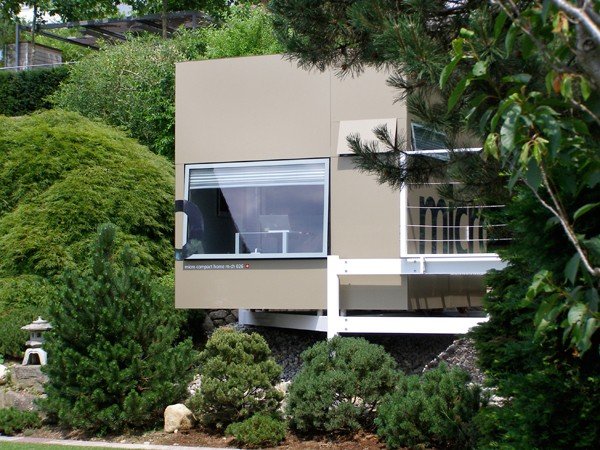
- Residential Design: Minimalist homes are characterized by open floor plans, large windows, and a seamless connection between indoor and outdoor spaces. The use of natural materials and neutral color palettes creates warm and inviting yet uncluttered and serene environments.
- Commercial Buildings: In commercial architecture, minimalism often translates to efficient, flexible, and aesthetically pleasing workspaces. Open-plan offices with minimalistic furniture and ample natural light foster productivity and well-being.
- Public Spaces: Minimalist principles are also applied in the design of public spaces such as museums, galleries, and libraries. These spaces are designed to be functional and inviting, with a focus on enhancing the visitor experience through simplicity and clarity.
Furniture and Interior Design: Minimalism extends beyond architecture into interior design and furniture. Minimalist furniture is often characterized by clean lines, functional forms, and a lack of ornamentation. This approach creates cohesive and harmonious interiors that complement minimalist architectural spaces.
Challenges and Criticisms
While minimalist architecture has many advantages, it is not without its challenges and criticisms. Some argue that minimalist spaces can feel cold or sterile if not executed thoughtfully. The emphasis on simplicity can sometimes lead to a lack of personality or warmth in a space. Additionally, achieving true minimalism requires careful planning and attention to detail, which can be time-consuming and costly.
Minimalist architecture, with its emphasis on simplicity, functionality, and the efficient use of space, offers a refreshing antidote to the clutter and complexity of modern life. Its principles of clarity, calm, and sustainability resonate with many people today, making it a popular and enduring design approach. Whether in residential, commercial, or public spaces, minimalist architecture demonstrates that sometimes, less truly is more.