
Sustainable architecture is an approach to building design that seeks to minimize the environmental impact of structures by optimizing resource efficiency, reducing waste, and enhancing the health and well-being of occupants. As the global awareness of environmental issues grows, the demand for sustainable buildings is rising, leading to innovative green building techniques. This blog explores the principles, benefits, historical context, and modern advancements in sustainable architecture.
Principles of Sustainable Architecture
- Energy Efficiency: Reducing energy consumption is a cornerstone of sustainable architecture. This can be achieved through passive solar design, high-performance insulation, energy-efficient windows, and the use of renewable energy sources such as solar panels and wind turbines.
- Water Conservation: Sustainable buildings incorporate water-saving fixtures, rainwater harvesting systems, and greywater recycling to minimize water usage and promote conservation.
- Sustainable Materials: The use of environmentally friendly, recycled, and locally sourced materials reduces the ecological footprint of construction. Sustainable materials include bamboo, reclaimed wood, recycled metal, and low-VOC (volatile organic compounds) paints and finishes.
- Indoor Environmental Quality: Ensuring good indoor air quality, natural lighting, and ventilation enhances the health and well-being of occupants. This can be achieved through the use of non-toxic materials, effective HVAC systems, and thoughtful design that maximizes natural light and fresh air.
- Site Sustainability: Choosing sites that are environmentally sensitive and designing buildings to fit within their natural surroundings helps to preserve ecosystems and reduce the environmental impact of construction.

Benefits of Sustainable Architecture
- Environmental Protection: Sustainable architecture reduces the negative impact of buildings on the environment. It helps to conserve natural resources, decrease pollution, and mitigate climate change by lowering greenhouse gas emissions.
- Cost Savings: Although the initial investment in sustainable building techniques may be higher, the long-term operational costs are often lower. Energy-efficient designs and renewable energy sources can significantly reduce utility bills, while durable, low-maintenance materials can reduce repair and replacement costs.
- Enhanced Comfort and Health: Sustainable buildings provide healthier living and working environments. Improved indoor air quality, natural lighting, and thermal comfort contribute to the well-being and productivity of occupants.
- Increased Property Value: Sustainable buildings often have higher market values and can attract environmentally conscious buyers and tenants. Green certifications, such as LEED (Leadership in Energy and Environmental Design), can also enhance the appeal and marketability of properties.
- Regulatory Compliance: Many regions are implementing stricter building codes and regulations related to energy efficiency and environmental sustainability. Adopting sustainable practices helps ensure compliance with these regulations and can provide a competitive advantage.

Historical Context of Sustainable Architecture
The concept of sustainable architecture is not new. Many ancient civilizations incorporated sustainable practices into their building designs, often out of necessity. For example:
- Ancient Egypt: The Egyptians used passive solar design principles, aligning their buildings to optimize sunlight for heating and lighting.
- Roman Empire: The Romans developed advanced aqueduct systems for water management and incorporated natural ventilation into their building designs.
- Indigenous Cultures: Many indigenous cultures around the world built homes using locally sourced materials and techniques that were well-suited to their environments.
The modern sustainable architecture movement gained momentum in the 20th century with the rise of environmental awareness and the energy crises of the 1970s. Architects and designers began to explore ways to reduce energy consumption and promote environmental stewardship through innovative building techniques.

Modern Innovations in Sustainable Architecture
- Passive House Design: Passive House (Passivhaus) is a rigorous standard for energy efficiency in buildings. It focuses on high levels of insulation, airtight construction, and the use of passive solar heating and cooling to create ultra-low energy buildings.
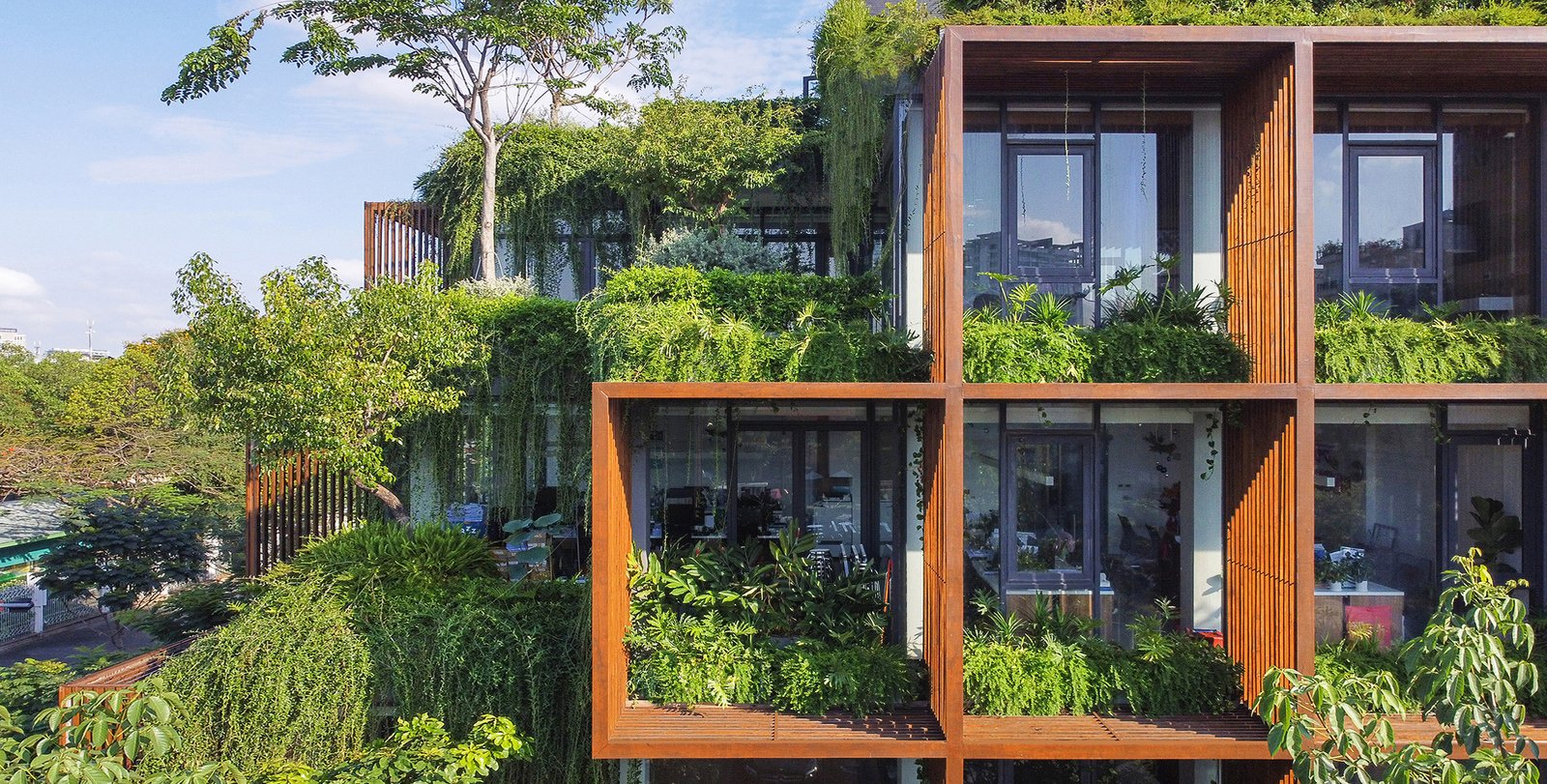
- Green Roofs and Walls: Green roofs and walls are covered with vegetation, which helps to insulate buildings, reduce stormwater runoff, and improve air quality. They also provide aesthetic and recreational benefits.
- Net-Zero Energy Buildings: Net-zero energy buildings produce as much energy as they consume through a combination of energy efficiency measures and on-site renewable energy generation. This can be achieved through solar panels, wind turbines, and other renewable energy systems.
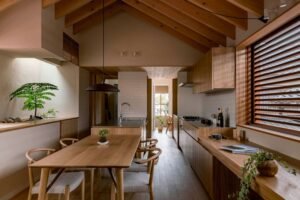
- Biophilic Design: Biophilic design integrates natural elements into the built environment to create spaces that promote health and well-being. This includes the use of natural materials, abundant natural light, and views of nature.
- Advanced Building Materials: Innovations in building materials are driving the sustainable architecture movement forward. Examples include cross-laminated timber (CLT), which is a strong, sustainable alternative to concrete and steel, and aerogels, which are highly efficient insulating materials.
- Smart Building Technologies: Smart technologies, such as automated lighting, heating, and cooling systems, optimize energy use and enhance the comfort and convenience of occupants. These systems can be controlled and monitored remotely, providing real-time data on energy consumption and environmental conditions.
- Water Recycling Systems: Advanced water recycling systems, such as greywater systems and rainwater harvesting, reduce the demand for fresh water and promote efficient water use. These systems can be integrated into residential and commercial buildings to support sustainable water management.
- Adaptive Reuse: Adaptive reuse involves repurposing existing buildings for new uses, which can significantly reduce the environmental impact of construction. By preserving and upgrading older structures, adaptive reuse minimizes waste and conserves resources.

Sustainable architecture is a critical component of the global effort to address environmental challenges and promote a more sustainable future. By embracing innovative green building techniques, architects and designers can create buildings that are not only environmentally responsible but also economically viable and health-promoting. As the demand for sustainable buildings continues to grow, the field of sustainable architecture will continue to evolve, offering new solutions and opportunities for a greener and more sustainable world.